Inside the OrbitRank GenO Score: six dimensions, zero mystery
Sep 24, 2026 · 6 min read
Access, entity, extractability, evidence, off-site mentions and freshness — how the 0–100 score is computed, why every dimension names its failing element, and how to grade any URL free in 60 seconds.
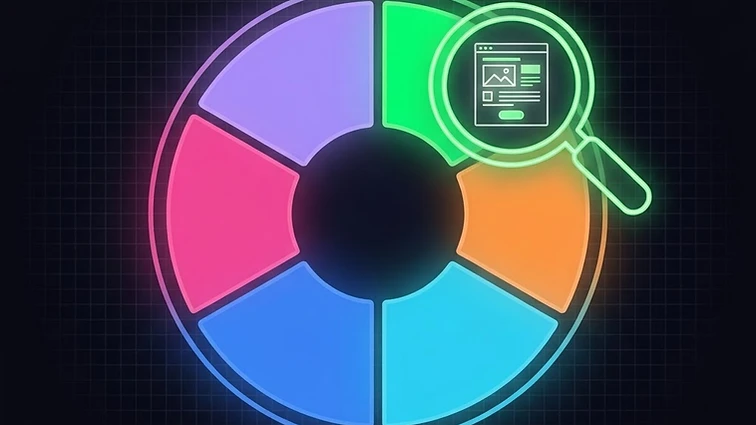
Most visibility scores are black boxes: a number goes up, a number goes down, and nobody can tell you why. The OrbitRank GenO score was built to be the opposite — six dimensions, each independently measurable, each one pointing at the exact element that is failing.
The six dimensions
Access measures whether crawlers and AI agents can reach your content at all — no soft 404s, no walls of JavaScript, no robots.txt lockouts. Entity checks whether search engines and LLMs understand who you are: consistent naming, organization schema, verifiable identifiers. Extractability asks whether your answers are stated plainly enough to be lifted out of the page and quoted verbatim in an AI answer.
Evidence grades the trust signals — citations, sources, dates, authorship, structured data. Off-site mentions measures whether independent sites reference you, because AI engines corroborate claims across the web before citing you. Freshness checks that the content isn't stale: update dates, recency of mentions, and live data.
Why each dimension names its failing element
A score of 62 that can't be acted on is just anxiety. When a dimension loses points, the audit tells you which element caused it — the missing schema block, the buried answer, the competitor that took your citation. That is what turns a scorecard into a work order.
Grade any URL free
The free GenO Grader runs the same core checks on any public URL and returns the full breakdown in about a minute — no account required. Run it on your homepage, then on your top competitor's, and the gap between the two numbers is your to-do list.
Put this into practice on your own site.
Grade any URL free in about 60 seconds.