The complete guide to generative engine optimization
Sep 15, 2026 · 7 min read
How large language models pick the brands they cite — and the exact entity signals that get you referenced in AI answers.
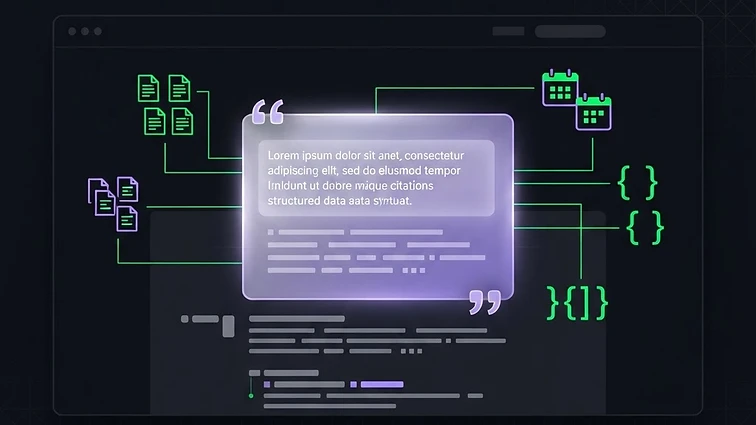
Generative Engine Optimization — GenO — is the practice of making your brand the source that AI engines quote when someone asks a question your business can answer. It is not traditional SEO with a new name; the mechanics of being cited are different from the mechanics of ranking.
How LLMs choose sources
When an AI engine answers a question, it retrieves candidate passages, then generates an answer drawing on the ones it trusts. Selection favors content that is extractable (a clean, self-contained answer on the page), corroborated (other independent sources agree), and attributable (a clear, consistent entity behind the claim).
The entity signals that matter
Before an engine cites you, it has to be confident about who you are. That means one canonical name used everywhere, consistent contact and identity details, Organization schema on your site, verifiable identifiers, and mentions on independent sites — directories, reviews, communities, articles — that all describe you the same way.
Answer-first content
The single highest-leverage change: answer the question in the first two sentences, plainly, without marketing filler. Then support it with evidence — numbers, sources, dates. A paragraph that can be lifted out of the page and still make sense is a paragraph an AI can quote.
Then measure it
GenO without measurement is guesswork. Track prompts your buyers actually type, check whether you appear in the answers, and treat every miss as a work order. That loop — prompt, check, fix, re-check — is the whole discipline.
Put this into practice on your own site.
Grade any URL free in about 60 seconds.