How OrbitRank GenO gets brands cited by five AI engines
Sep 20, 2026 · 7 min read
Daily visibility checks against ChatGPT, Perplexity, Google AI Overviews, Gemini and Claude — plus Auto-Heal, the one-click remediation package that wins back a citation a competitor took.
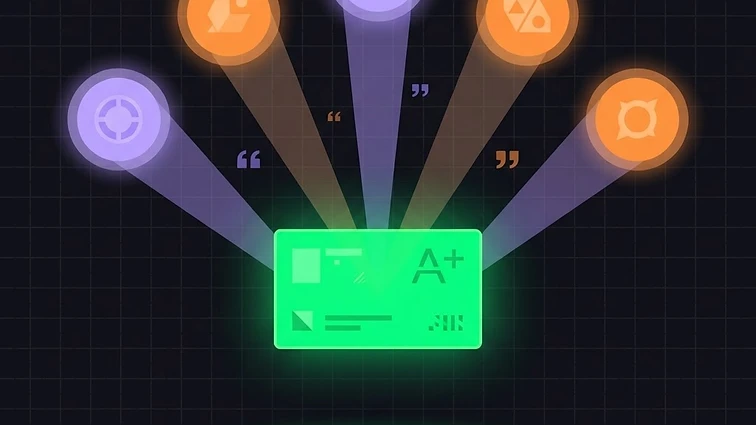
Being ranked on Google and being cited by ChatGPT are two different games. A page can hold position 2 in search results and never appear in an AI answer — because AI engines choose sources by extractability, corroboration and entity clarity, not just links.
Five engines, checked daily
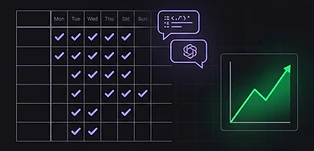
OrbitRank GenO runs visibility checks every day against ChatGPT, Perplexity, Google AI Overviews, Gemini and Claude using your tracked prompts — branded and unbranded. The result is a citation rate: the share of your prompts where your brand appears in the answer, plus which engines are citing you and which aren't.
What moves the citation rate
Citations follow a repeatable pattern. The page must answer the question in a quotable, self-contained form. The claim must be corroborated by independent sources. The entity must be unambiguous — one canonical name, consistent everywhere. The AI Lab runs RAG simulations that predict whether a retrieval system would surface your content for a prompt, before you publish.
Auto-Heal: winning back lost citations
Citations are contested — a competitor that publishes better evidence can take yours. When a daily check finds a lost citation, Auto-Heal assembles a one-click remediation package: what changed, why the competitor is winning, and the specific fixes — answer rewrite, schema addition, or an off-site mention to reclaim corroboration.
The result is that AI visibility stops being a coincidence and becomes a pipeline: check, detect, fix, verify — every day, automatically.
Put this into practice on your own site.
Grade any URL free in about 60 seconds.